
 Print
Print Word
Word PDF
PDF|
This section contains 328 words (approx. 2 pages at 300 words per page) |

|
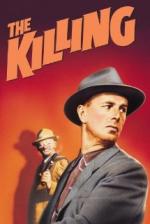
Stanley Kubrick's [The Killing] is an estimable entry into that small field of well-made crime films that expose the modus operandi of the colossal caper. Like Rififi and The Asphalt Jungle (after which it is principally patterned) its action is thickly and informatively plotted, possessed of that classic fatality that insures retribution, and dependent for its thrills upon a network of smooth calculation severed by fey circumstance and mislaid trusts….
His film lacks the pervasive knowledge and control of John Huston's masterwork, and although his material has absorbed him utterly, he has been wise to remain detached from it. His camera is relentlessly objective, cool, economically observant, and capable of an unusual rhetoric, as when, at the film's end, the hero's captors advance upon him and are framed to remind us of the menacing gunman targets that had filled the screen a few reels before…. [The] visual authority...
|
This section contains 328 words (approx. 2 pages at 300 words per page) |
|



