
 Print
Print Word
Word PDF
PDF|
This section contains 227 words (approx. 1 page at 300 words per page) |

|
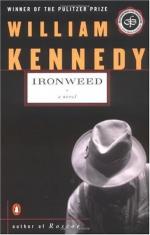
["Ironweed" is the] third in a series of novels set in Albany, N.Y., [and] this strong, authentic book bursts with black humor and stinging insights about a segment of American society. Francis Phelan, father of Billy, is a bum. He knows it and so does everyone else. It's 1938, and the landscape is thick with hobos—not just those looking for work, but those on the run. "What was it that did you in?" Francis wonders about a fellow traveler and then wonders about himself. Understanding why he's on the move is Francis's quest. Dodging the cold and taking care of his companion-in-arms, Helen, are his sacred duties. Returning to Albany 22 years after he had abandoned his family, Francis knows he never quit loving his wife, and by book's end, he is back home with plainspoken forgiveness on all sides. Wholly realistic dialogue and details of a tramp's...
|
This section contains 227 words (approx. 1 page at 300 words per page) |
|



