
 Print
Print Word
Word PDF
PDF|
This section contains 586 words (approx. 2 pages at 300 words per page) |

|
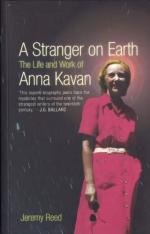
Anna Kavan's writing is inextricably tied up with the convolutions of her tragic life. Of course this is, to a greater or lesser extent, true of all writers…. Yet with Anna Kavan the stories and novels are so subjective in tone that it is as if she wishes, in reality, to write her own spiritual autobiography but, rather than do this, has dressed up her sufferings and longings in fictional terms. Often the short stories are little more than fragments illustrating individual paranoia or intense personal despair and, as such, are reminiscent more of pages from a psychiatrist's notebook than of works of imaginative fiction. These tales are maudlin, desperate in their evident knowledge that, for the narrator, escape from this hideous twilight world of hallucinatory imprisonment is impossible. (p. 43)
Anna Kavan possessed artistic integrity; of that there can be no doubt. Her stories are direct; there is...
|
This section contains 586 words (approx. 2 pages at 300 words per page) |
|



