
 Print
Print Word
Word PDF
PDF|
This section contains 2,021 words (approx. 7 pages at 300 words per page) |

|
The similarities in characters and situations in [the work of William Inge and Tennessee Williams] are obvious: sexual fantasies, frustrated women, the devirilization of studs—"homosexual spite"—homosexual characters studied covertly etc. However, Inge's plays add to the list of ruses the homosexual dramatist has been forced to employ in depicting his own experience, particularly with regard to "virile friend-ship," the caustic description of heterosexual relationships, and the portrait of "Mom," the overprotective and castrating woman and mother. (p. 121)
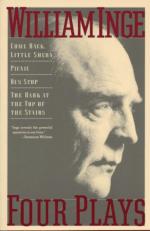
[A] careful reading of [Inge's] plays, beginning with the very first, clearly reveals that the studs [Turk in Come Back, Little Sheba, Hal Carter in Picnic, Bo in Bus Stop, and Rubin in The Dark at the Top of the Stairs] have feet of clay; Inge is methodically trying to show us that a virile appearance can conceal a lack of real masculinity. (p. 124)
[Turk is] symbolic: first and...
|
This section contains 2,021 words (approx. 7 pages at 300 words per page) |
|



