
 Print
Print Word
Word PDF
PDF|
This section contains 1,175 words (approx. 4 pages at 300 words per page) |

|
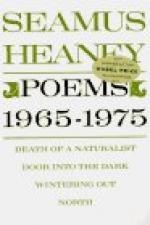
Seamus Heaney's reputation for power, resonance, consummate phrasing, striking talent, uncanniness, etc.—which sprang up like a genie with his very first book, Death of a Naturalist …, and which, as the early reviews come in, still looms with tweedy arms crossed above his fifth, Field Work—is astonishing in view of his modest ambition and tone. The Irish, British, and Americans alike have taken turns rubbing the lamp, as if it were indeed Wonderful, and pure gold. But Heaney himself, it is clear from almost every line, knows what it really is: a very respectable pewter.
Heaney's strength, such as it is, lies in making the most of his real if limited advantages—his rural North Ireland childhood, with its blackberrying, its hunting and fishing, its "Cows cudding, watching, and knowing"; his sense of language, which (pace A. Alvarez) is not really for the pretty or grand, despite...
|
This section contains 1,175 words (approx. 4 pages at 300 words per page) |
|



