
 Print
Print Word
Word PDF
PDF|
This section contains 838 words (approx. 3 pages at 300 words per page) |

|
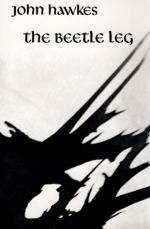
While most novelists are still slouching down the over marked trails of human experience (including the trail of erotic experience) like bored guides hustling us on to the next souvenir stand, John Hawkes has a seemingly endless capacity to make fresh wilderness out of every new work he writes. The trouble, for his readers, is that wilderness is not like home: there will be natives who don't speak our language; beasts, perhaps, with a taste for human flesh. Almost certainly, we will get lost. And how can we trust a guide who doesn't know how to act like a buddy? Or a lover?…
Most of us can at least nod knowingly when we hear his titles dropped (The Blood Oranges, The Cannibal, The Lime Twig, The Passion Artist). But few have actually read his work. Hawkes's unpopularity has been ascribed to the difficulty of his vision ("modernist"), to...
|
This section contains 838 words (approx. 3 pages at 300 words per page) |
|



