
 Print
Print Word
Word PDF
PDF|
This section contains 4,331 words (approx. 15 pages at 300 words per page) |

|
Like so much else in his life, his heroic effort to finish his last novel came too late; and the luck which might have kept him alive until he had finished was not with him. He had predicted to Perkins in the middle of December that he could complete a first draft by January 15, and at the rate he was going he might have done so; on December 20 he completed the first episode of Chapter VI. The next day he had a second, fatal heart attack.
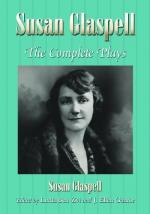
Susan Glaspell (1876-1948) is a prime example of the "peculiar eclipsing" so frequently suffered by women writers. She devoted eight years to the Provincetown Players, and her plays alone would have justified the claim that the sand dunes of Provincetown were the birthplace of modern American drama. But Glaspell's voice was silenced, and although feminist literary criticism has rediscovered some of her...
|
This section contains 4,331 words (approx. 15 pages at 300 words per page) |
|



