
 Print
Print Word
Word PDF
PDF|
This section contains 570 words (approx. 2 pages at 300 words per page) |

|
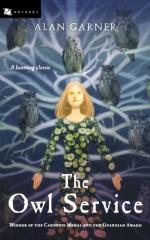
On one level [The Owl Service] is a story of possession, in which accidents take on dual meanings and the Welsh landscape adds its own shut-in, brooding atmosphere. Alison's mother and Roger's father hope to consolidate their recent marriage and see their children making friends here in the valley. So quickly does the author establish these characters, particularly through subtly diversified class idiom, that you can see the stresses which will threaten the holiday hopes…. These stresses might have upset the surface amiability of the four in a week of wet days: the owl plates precipitate personal crisis and, as well, actual, frightening, inexplicable happenings. The real and the supernatural interchange, influence, quicken feeling. Most of all in Alison; for here is a remarkable portrait of a girl in her 'teens who is translated, as it were, from her conventional self into an ancient counterpart whom she cannot...
|
This section contains 570 words (approx. 2 pages at 300 words per page) |
|



