
 Print
Print Word
Word PDF
PDF|
This section contains 253 words (approx. 1 page at 300 words per page) |

|
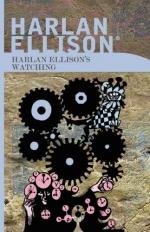
The Americans do not need symposia; they have Harlan Ellison, not a one-man band but a symphony orchestra, complete with a thousand violins, shofar, and ordinance. I find it difficult to speak temperately about him. On one hand he is responsible for Dangerous Visions, and its successors, anthologies as cardinal as New Signatures or des Imagistes; on the other hand—a smaller, nipping and less important hand, like a crab's left claw—he exhibits all that is hateful about SF: the biographical and autobiographical logorrhoea, the cute titles, the steamy, cosy, encounter-group confessional tone, the intrusively private acknowledgments, the blurbs and afterwords. When I have read a good story I like to rest and smoke a fag; I do not want a writer rushing over and asking if the earth moved….
Harlan Ellison has his own visions, some of a fine, universal menace, some dangerous only to the...
|
This section contains 253 words (approx. 1 page at 300 words per page) |
|



