
 Print
Print Word
Word PDF
PDF|
This section contains 614 words (approx. 3 pages at 300 words per page) |

|
Terrorism, one always assumed, springs from perverted idealism or protest overstepping rational bounds, and explodes under intolerable political pressures or its own heavy rhetoric. Recently, though, a third element has become discernible: Terrorism is now the stuff of diversion, merely another means of experimenting with "the uses of boredom."
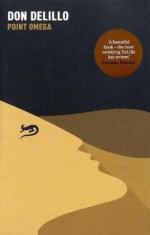
The phenomenon is explored in Don DeLillo's fine new novel, Players. Lyle, apparently the perfect young stockbroker, is competent, smooth, happily married, on top of his part of the New York scene. But inside he harbors hostility, dissatisfaction and a crippling ennui. Sitting alone at night, he watches television for hours, switching channels every few seconds so that only the picture burns into his indifferent brain. Like David Bell, the hero of DeLillo's first novel, Americana, he is moved solely "by the power of the image" and suffers from a numbness of mind and soul that tinges the book...
|
This section contains 614 words (approx. 3 pages at 300 words per page) |
|



