
 Print
Print Word
Word PDF
PDF|
This section contains 1,314 words (approx. 5 pages at 300 words per page) |

|
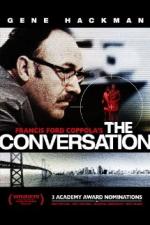
Francis Ford Coppola's The Conversation is a perplexing film about a wiretapper named Harry Caul who becomes involved in a murder. Harry is less a character in the traditional sense than he is a symbol or cipher for modern man immersed in a technological society that undermines human values and thwarts human needs. As a technician in this dehumanizing environment, Harry seems unwilling or unable to relate to people or to take the moral action necessary to change his life or even save the lives of others. Hired by the director of an unnamed corporation, Harry tapes a conversation between the director's wife and her lover. Although this conversation forces Harry to see the terrifying consequences of his work, he remains isolated, alienated, and in a sense unborn because of his inability to make moral choices. (p. 26)
Understanding this complex film is somewhat easier when one recognizes the...
|
This section contains 1,314 words (approx. 5 pages at 300 words per page) |
|



