
 Print
Print Word
Word PDF
PDF|
This section contains 1,438 words (approx. 5 pages at 300 words per page) |

|
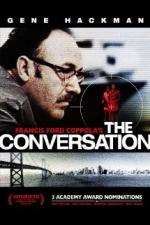
The Conversation is remarkably ambitious and serious—a Hitchcockian thriller, a first-rate psychological portrait of a distinctive modern villain (a professional eavesdropper) and a bitter attack on American business values, all in one movie. I feel that Coppola has partially botched the thriller, but the film is a triumph none the less—gritty, complex, idiosyncratic….
The Conversation, which is about a man rather like Watergate bugger James McCord, profits from the great American national uproar over privacy and illegal surveillance. But Coppola claims that he began writing the screenplay for The Conversation in 1966, years before such things became national issues, so let us call his timeliness prescient rather than lucky. Timeliness isn't necessarily a sign of triviality in an artist; it may be a sign of good instinct, an ability to connect personal concern with national obsession. I think Coppola may become this sort of non-exploitative 'public' artist...
|
This section contains 1,438 words (approx. 5 pages at 300 words per page) |
|



