
 Print
Print Word
Word PDF
PDF|
This section contains 811 words (approx. 3 pages at 300 words per page) |

|
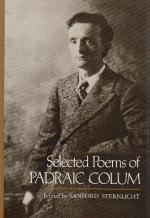
Padraic Colum has been acknowledged as a master of the Irish faerie: the quaint and leprechaunish peasants have been celebrated by him in prose and verse. This is simply not true. His tales for children include fairy stories, but Colum is the vigorous, hard-headed spokesman of the true peasant, the recorder of the historic fate of Ireland; and even in the books for the young he has never talked down but has sought to hand down both the historic and mythic past. As poet and playwright and essayist—and now as novelist—he speaks the true spirit of his nation and has the versatility of a scholar-poet. Most important, he has written poems that would astonish those who know only the set anthology pieces—"The Plougher," "A Drover," and "An Old Woman of the Roads."… [The Collected Poems of Padraic Colum] is a proud book, and it ranks...
|
This section contains 811 words (approx. 3 pages at 300 words per page) |
|



