
 Print
Print Word
Word PDF
PDF|
This section contains 269 words (approx. 1 page at 300 words per page) |

|
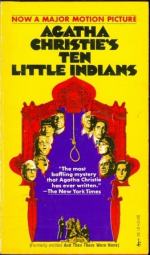
Eight guests, two servants, but no host or hostess—that is the situation [of "And Then There Were None", published in Great Britain as "Ten Little Niggers"] in the luxurious mansion on Indian Island off the coast of Devon. The servants say that they have been hired from an employment agency and have never seen their employers. The guests have been brought to the place on various pretexts, and each of them professes to know nothing about the missing Mr. and Mrs. Owen, who are supposed to be their hosts. If one may believe the Voice, which makes a startling announcement after dinner, all of these persons are doomed to die for crimes which they are alleged to have committed. Hanging in each bedroom is a framed copy of doggerel verse about "Ten Little Indian Boys," and this, too, predicts the fate of the ten. When you read...
|
This section contains 269 words (approx. 1 page at 300 words per page) |
|



