
 Print
Print Word
Word PDF
PDF|
This section contains 646 words (approx. 3 pages at 300 words per page) |

|
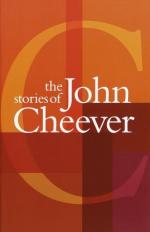
For three decades the legato Cheever prose has remained as urbane and tempting as an ad in the New Yorker, sharing with the magazine that has published nearly all his stories a zealous attention to surfaces, a scrupulous rendition of speech and, not the least of its attractions, a supercilious tone that separates its uncommon reader from the gaucheness and banality of common experience.
Cheever has been called the American Chekhov, and it is true that both writers have a ruminative manner, dwell wistfully on lost opportunities, and are masters at conjuring up a mood, an excitation of the nerves, a vapor of unstated emotion hanging in the air. But when they undertake their favorite identical subject, the seesaw between tranquility and disturbance in marriage, we see how enormous a role the accident of disposition plays in creating the hierarchy of art. Chekhov's plain and pliant responses make...
|
This section contains 646 words (approx. 3 pages at 300 words per page) |
|



