
 Print
Print Word
Word PDF
PDF|
This section contains 459 words (approx. 2 pages at 300 words per page) |

|
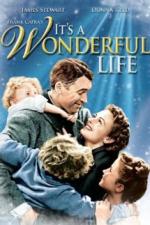
The most overtly presented of the … structural oppositions [in It's a Wonderful Life] is that between the two faces of Capitalism, benign and malignant: on the one hand, the Baileys (father and son) and their Building and Loan Company, its business practice based on a sense of human needs and a belief in human goodness; on the other, Potter …, described explicitly as a spider, motivated by greed, egotism and miserliness, with no faith in human nature. Potter belongs to a very deeply rooted tradition. He derives most obviously from Dickens' Scrooge …—a Scrooge disturbingly unrepentant and irredeemable—but his more distant antecedents are in the ogres of fairy tales.
The opposition gives us not only two attitudes to money and property but two father-images (Bailey Sr. and Potter), each of whom gives his name to the land (Bailey Park, in small-town Bedford Falls, and Pottersville, the town's dark...
|
This section contains 459 words (approx. 2 pages at 300 words per page) |
|



