
 Print
Print Word
Word PDF
PDF|
This section contains 469 words (approx. 2 pages at 300 words per page) |

|
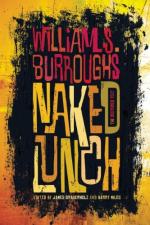
It's hard to imagine what once seemed so liberating about The Naked Lunch, a famous cult novel of the Beat generation. A not unsympathetic critic, Leslie Fiedler, found much of it 'dull protest literature, manifestoes against cops and in favour of junkies and homosexuals'—which is not sympathetic, but not right either. I can't call to mind anything less 'in favour of' drugs or homosexuals. Burroughs was being honest about his own opium addiction, which he saw as dependence and subjection, and thus as one of the representative horrors of civilisation. But neither was it an effective 'protest' novel. The mayhem he depicted, whether caused by cops or other 'control systems' in society or in the mind or body or in outer space, was such as to rob protest of any meaning. This is particularly true of a favourite image, the hanged man's orgasm, which occurred so obsessively...
|
This section contains 469 words (approx. 2 pages at 300 words per page) |
|



