
 Print
Print Word
Word PDF
PDF|
This section contains 647 words (approx. 3 pages at 300 words per page) |

|
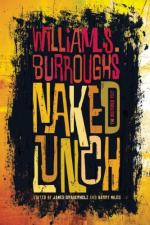
[Burroughs] noted that there is an important difference between Naked Lunch and the books that follow …: his adaptation of the cut-up method of Brion Gysin. The Soft Machine develops out of the quest in the early novels, but the question that boldly opens the "Atrophied Preface" at the end of Naked Lunch is perhaps more important than the complex answers to it in the later works. "Wouldn't You?" triggers an elaborate program of anarchic individualism aimed at revitalizing the junk universe. As in the medieval romances, almost immediately after the hero asks the magical question the waters of life begin to flow.
Along with the myth, however, goes a cosmology, "a vision of the creation and destruction of the world that is vouchsafed to the successful hero." Here gods and demons will symbolize the forces at work inside and outside the hero's psyche which aid and distract him...
|
This section contains 647 words (approx. 3 pages at 300 words per page) |
|



