
 Print
Print Word
Word PDF
PDF|
This section contains 596 words (approx. 2 pages at 300 words per page) |

|
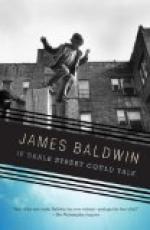
To consider the latest novel by James Baldwin, If Beale Street Could Talk …, is to re-evaluate more than a decade of Baldwin-watching. My response to his work has shifted from admiration of the arrogance of the early essays to rejection of the Old Testament predictability of the later fiction. Admittedly, the rejection of Baldwin's logic as a spokesman reflected a growing disenchantment with specific strategies of the Civil Rights Movement. Baldwin's early work neatly fit that time, in terms of the assault on the so-called liberal conscience. Yet the history of the Sixties will be charted as a maze through which all of us were propelled, its horrors and beauties blurring thought, leaving us to sit in this apparent fall-out period to finger scars and wonder at the dazzle behind the eyes. (p. 51)
Because of expectations, because of change, If Beale Street Could Talk demands the look behind...
|
This section contains 596 words (approx. 2 pages at 300 words per page) |
|



