
 Print
Print Word
Word PDF
PDF|
This section contains 684 words (approx. 3 pages at 300 words per page) |

|
Fate has not been kind to Edward Albee. I don't mean only the bitterness of early success and subsequent decline, though that's hard enough. Worse: He was born into a culture that—so he seems to think—will not let him change professions, that insists on his continuing to write plays long after he has dried up….
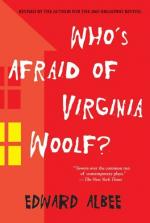
Look at Albee's career since its peak, which I take to be Who's Afraid of Virginia Woolf?, produced 18 years ago. Three adaptations, The Ballad of the Sad Cafe, Malcolm, and Everything in the Garden, all deplorable…. Then Tiny Alice, A Delicate Balance, All Over, and Seascape, a long torpid decline interrupted only briefly by a pair of short, passable attempts at the Absurd, Box and Quotations From Chairman Mao Tse-Tung. What marked the full-length plays, right after the realism of Virginia Woolf, was Albee's use of mysticism and death. I mean...
|
This section contains 684 words (approx. 3 pages at 300 words per page) |
|



