
 Print
Print Word
Word PDF
PDF|
This section contains 1,556 words (approx. 6 pages at 300 words per page) |

|
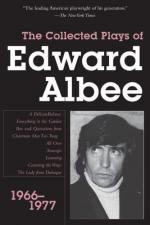
It is incredible to consider that on the basis of four plays, one little more than a fragment, Edward Albee, the enfant terrible of America's avant garde, is being seriously considered in many quarters as a genuinely important playwright. The same critics and theorists who deny Thornton Wilder his legitimate right to be called a great playwright because he has written so little are ready to canonize young Albee as the greatest thing in modern drama.
This neatly tailored young man, who sounds quite rational and even personable, writes like a bomb-carrying anarchist. Without benefit of beret and red armband he seems to be principal among the new iconoclasts in our theatre. This group, claiming some inspiration from lonesco, causing many a theatre-goer to shake his head in helpless bewilderment, seek, it seems, to shake the contemporary theatre to its roots, to put mystery back on a stage...
|
This section contains 1,556 words (approx. 6 pages at 300 words per page) |
|



