
BookRags.com Literature Guides Literature
Guides
Criticism & Essays Criticism &
Essays
Questions & Answers Questions &
Answers
Lesson Plans Lesson
Plans
My Bibliography Periodic Table U.S. Presidents Shakespeare Sonnet Shake-Up
Research Anything:        
History | Encyclopedias | Films | News | Create a Bibliography | More... Login | Register | Help

Not What You Meant?  There are 7 definitions for Things Fall Apart.

Achebe, Chinua 1930–: Critical Essay by The Times Literary Supplement

Print-Friendly  Order the PDF version  Order the RTF version
Chinua Achebe
About 1 pages (239 words)
Things Fall Apart Summary

Bookmark and Share Know this topic well? Help others and get FREE products!

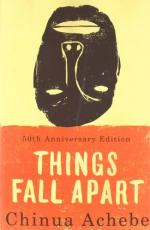
Mr. Achebe is a young Nigerian. In Things Fall Apart, his first novel, he draws a fascinating picture of tribal life among his own people at the end of the nineteenth century. His literary method is apparently simple, but a vivid imagination illuminates every page, and his style is a model of clarity. He has chosen a very cunning way of getting as much authentic background into his story as he can, by making his hero a powerful and egocentric social climber who exploits every possibility of tribal life….

The great interest of this novel is that it genuinely succeeds in presenting tribal life from the inside. Patterns of feeling and attitudes of mind appear clothed in a distinctively African imagery, written neither up nor down…. We are made to share the African's experience of his masked gods, his oracles, and even his weather.

This is a free excerpt of 143 words. There are 239 words (approx. 1 page at 300 words per page) in the full critical essay.

Read the rest of this Criticism with our Achebe, Chinua 1930–: Critical Essay by The Times Literary Supplement Access Pass.

Ask any question on Things Fall Apart and get it answered FAST!
Answer questions in BookRags Q&A and earn points toward
discounted or even FREE Study Guides and other BookRags products!
Learn more about BookRags Q&A
Copyrights
Achebe, Chinua 1930–: Critical Essay by The Times Literary Supplement from Literature Criticism Series. ©2005-2006 Thomson Gale, a part of the Thomson Corporation. All rights reserved.


Join BookRagslearn moreJoin BookRags


About BookRags | Customer Service | Report an Error | Terms of Use | Privacy Policy

