
 Print
Print Word
Word PDF
PDF|
This section contains 1,470 words (approx. 5 pages at 300 words per page) |

|
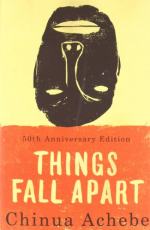
In Chinua Achebe's view, the African writer of our time must be accountable to his society…. To Achebe, it is 'simply madness' to think of art as pure and autonomous, happening by itself in an aesthetic void…. Each of Achebe's four novels has had an obvious (but never obtrusive) purpose. Things Fall Apart and Arrow of God both aim to show that the African past 'with all its imperfections—was not one long night of savagery from which the first Europeans, acting on God's behalf, delivered [Africans]'. The public problems of bribery and the osu caste are examined in No Longer at Ease; A Man of the People, his most purposeful novel, was written with the deliberate aim of providing 'a serious warning to the Nigerian people' about corruption in government and the cynicism of the masses…. Written during and shortly after the Nigerian Civil War, the...
|
This section contains 1,470 words (approx. 5 pages at 300 words per page) |
|



