
 Print
Print Word
Word PDF
PDF|
This section contains 7,500 words (approx. 25 pages at 300 words per page) |

|
Dictionary of Literary Biography on William Trevor Cox
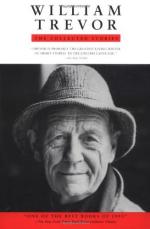
William Trevor is considered one of the masters of the contemporary short story. The author of eleven novels and seven collections of short fiction, he was recognized for his contributions to literature with the title of commander, Order of the British Empire in 1977. Trevor has also written three novellas, several plays, and radio and television adaptations of his short stories. However, he prefers writing short fiction, calling himself "a short story writer ... who happens to write novels."
Trevor's short fiction has been praised for its delineation of character, especially its portrayal of ordinary people--the lonely, the alienated, the victims of society--as well as those who, at the extreme, are pathological evildoers. His stories have been called tragicomic or darkly comic; they create a wide range of effects from nostalgia for lost love to sardonically bitter commentary on evil. Trevor's artistic vision, however it may be interpreted, is rooted...
|
This section contains 7,500 words (approx. 25 pages at 300 words per page) |
|



