
 Print
Print Word
Word PDF
PDF|
This section contains 8,963 words (approx. 30 pages at 300 words per page) |

|
Dictionary of Literary Biography on William (Motter) Inge
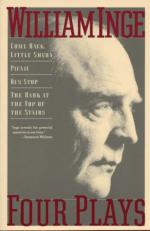
William Inge was one of the most successful American playwrights during the 1950s. No American writer of serious drama has matched his unbroken series of critical and popular successes during that decade. Come Back, Little Sheba (1950), Picnic (1953), Bus Stop (1955), and The Dark at the Top of the Stairs (1957) all portray lonely, frustrated people who struggle to find lasting love and happiness in small towns in Inge's native Midwest. Despite similarities of character, theme, and setting in these plays, each one was eminently successful; moreover, each was made into a popular motion picture, further enhancing the reputation of the former schoolteacher who was nearly thirty-seven years old when Come Back, Little Sheba premiered. As Robert B. Shuman notes about this stage of Inge's career, "Critics could do little but marvel at the success of a man who wrote modest plays about the most prosaic of people, but who had...
|
This section contains 8,963 words (approx. 30 pages at 300 words per page) |
|



