
 Print
Print Word
Word PDF
PDF|
This section contains 2,280 words (approx. 8 pages at 300 words per page) |

|
Encyclopedia of World Biography on Pol Pot
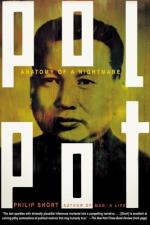
Pol Pot (1928-1998) was a key figure in the Cambodian Communist movement, becoming premier of the government of Democratic Kampuchéa (DK) from 1976 to 1979. He directed the mass killing of intellectuals, professional people, city dwellers--perhaps one-fifth of his own people.
Pol Pot was born Saloth Sar on May 19, 1928. He was the second son of a conservative, prosperous, and influential small landowner. Pol Pot's father had social and political connections at the royal court at the Cambodian capital of Phnom Penh, some 70 miles south from Prek Sbau, the small hamlet in Kompong Thom, the province where Pol Pot was born. Visits by court officials--and, on at least one occasion, even by King Monivong himself--to Pol Pot's father's home appear to have been common. Pol Pot consistently denied that he was Saloth Sar, probably because his family and educational background clashed with Communist proletarian perceptions and because his tactical...
|
This section contains 2,280 words (approx. 8 pages at 300 words per page) |
|



