
 Print
Print Word
Word PDF
PDF|
This section contains 8,049 words (approx. 27 pages at 300 words per page) |

|
Dictionary of Literary Biography on Kinnosuke Natsume
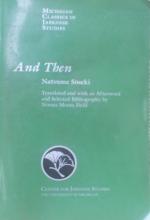
Natsume Sseki is probably the most well known and widely read novelist in Japan; so well known is he that his portrait is currently featured on the 1,000-yen bill. Near the end of the Meiji Period writers who were masters of Western literary form began to appear in Japan, and of these novelists, Sseki was perhaps the most profound and versatile. His lighthearted, satiric tone in early works such as Wagahai wa neko de aru (1905-1906; translated as I Am a Cat, 1961) and the humorous Botchan (The Little Master, 1907; translated as Botchan, 1972) turned serious in his later novels such as Kjin (1914; translated as The Wayfarer, 1967) and Kokoro (The Heart, 1914; translated as Kokoro, 1941), as Sseki poignantly voiced a sense of human alienation and loneliness long before existentialism became a popular form of literary expression in Europe.
Sseki was the youngest of eight children of a wealthy and influential landlord...
|
This section contains 8,049 words (approx. 27 pages at 300 words per page) |
|



