 Print
Print Word
Word PDF
PDF|
This section contains 7,034 words (approx. 24 pages at 300 words per page) |

|
Authors and Artists for Young Adults on James Cameron
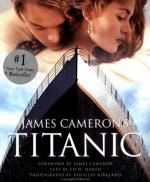
The phenomenal success of his Academy Award-winning historical epic Titanic has fundamentally changed the way the world views filmmaker James Cameron. Prior to the December 1997 release of Titanic, one of the most expensive Hollywood films and the biggest moneymaker of all time, most people would have agreed with Peter Waal of Saturday Night magazine when he described the Canadian-born movie screenwriter, director, and producer as "an action flick virtuoso." Cameron had earned considerable respect and media attention for an impressive, but relatively small body of work. But it was the commercial appeal of Cameron's films that most endeared him to major studios. At a time when movie formulas were no longer "sure-fire," he continued to enjoy consistent box-office success. Cameron insisted that his secrets were simple: common sense and good storytelling. "When I hear people shooting different endings for a movie I say `God, how can you do...
|
This section contains 7,034 words (approx. 24 pages at 300 words per page) |
|