
 Print
Print Word
Word PDF
PDF|
This section contains 1,812 words (approx. 7 pages at 300 words per page) |

|
Encyclopedia of World Biography on Fred Ebb
Fred Ebb (born 1932) is the lyricist half of the award-winning songwriting team of Kander and Ebb. Partners since the early 1960s, composer John Kander and lyricist Fred Ebb have collaborated on some of the greatest musical creations ever to grace the American stage including the classic crowd pleasers Chicago and Cabaret.
Ebb's long and prolific career has encompassed writing lyrics for the stage, the silver screen, and television, in addition to directing and producing. He has amassed Tony awards on Broadway, Academy Awards for movie work, and Emmys for his work for television. His songs have helped launch careers and have been sung by legends like Judy Garland, Liza Minnelli, Barbra Streisand, Frank Sinatra, Robert Goulet, Gwen Verdon, and Chita Rivera.
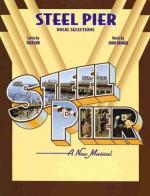
The classic Kander and Ebb sound was described by another collaborator and admirer, author David Thompson (Steel Pier). The music is "a little sassy and with mustard...
|
This section contains 1,812 words (approx. 7 pages at 300 words per page) |
|



