
 Print
Print Word
Word PDF
PDF|
This section contains 1,763 words (approx. 6 pages at 300 words per page) |

|
Encyclopedia of World Biography on Connie Mack
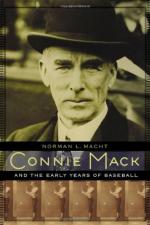
Connie Mack (1862-1956) was a patrician figure who managed more games than anyone else in baseball history. He led the Philadelphia Athletics to nine American League pennants and five World Series championships. Reserved and dignified, Mack left an indelible stamp on baseball.
In his playing days, Connie Mack was a star catcher for Washington in the 1880s and the Pittsburgh Pirates in the 1890s. He managed the Pittsburgh team before taking over the Philadelphia Athletics in 1901. Mack eventually became sole owner of the Athletics and did not retire until 1950, at the age of 87.
Early Years in Baseball
Cornelius McGillicuddy was born in East Brookfield, Massachusetts, on December 22, 1862, to Mary (McKillop) and Michael McGillicuddy. By the time he was nine, the tall, thin boy, nicknamed "Slats," was working at a cotton mill. His father died when Cornelius was a teenager, and he became the family breadwinner. At 16, he began...
|
This section contains 1,763 words (approx. 6 pages at 300 words per page) |
|



