
 Print
Print Word
Word PDF
PDF|
This section contains 13,496 words (approx. 45 pages at 300 words per page) |

|
on Benjamin Franklin
Biography Essay
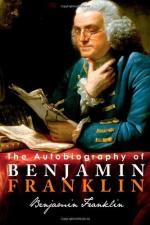
As author of one of the most famous autobiographies ever written and publisher of the Poor Richard almanacs, Benjamin Franklin holds forever a firm place in the hearts and minds of Americans (and, indeed, of all people) who honor good humor, common sense, and wisdom—traits in his writing for which he is best known. Less well known but still of great historical importance are his scientific writings on electricity and his voluminous contributions to political satire—pamphlets, letters, essays—which, along with the powerful rhetoric of Thomas Paine, Philip Freneau, and others, shaped the public opinion that gave birth to the American republic. In addition, Franklin wrote skillful personal essays; and his three series of works in this genre—the Dogood essays, the Busy-Body essays, and the Bagatelles-are models of grace and charm.
Primarily a nonfiction writer, Franklin's aping style (which...
|
This section contains 13,496 words (approx. 45 pages at 300 words per page) |
|



