 Print
Print Word
Word PDF
PDF|
This section contains 3,243 words (approx. 11 pages at 300 words per page) |

|
Authors and Artists for Young Adults on Auguste Rodin
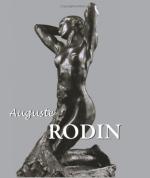
Often compared with that great sculptor of the Renaissance, Michelangelo, Auguste Rodin was a towering figure of late-nineteenth-century art. His bronze images go far beyond mere surface detail; Rodin, more than any other sculptor, revealed the inner human with his work. His most famous pieces, such as "The Age of Bronze," "The Thinker," "The Burghers of Calais," and "Monument to Balzac," have all traveled outside cloistered museum walls to enter the idiom of the everyday. Instantly recognizable, such works as "The Thinker" are used for visual purposes from advertisements to cartoons to company logos in order to call up a required human trait. More than simply popular, Rodin's statues and sculptures embrace "the artist's faith in the spiritual dignity of individuals that direct scrutiny can reveal," according to Catherine Lampert, writing in Grove Art. Rodin portrays his subjects "naked and vulnerable," as Lampert pointed out, be they anonymous...
|
This section contains 3,243 words (approx. 11 pages at 300 words per page) |
|