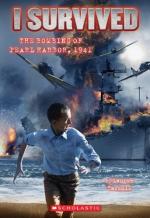
Less than three months after the Japanese attack on Pearl Harbor on December 7, 1941, President Franklin D. Roosevelt signed Executive Order 9066, which resulted in the mass removal and incarceration of all Japanese Americans living on the West Coast....
Within a month after the December 7, 1941, Japanese surprise attack on Pearl Harbor, Hawaii, and nine months before the Office of Economic Stabilization was created with Jimmy Byrnes its head, President Franklin D. Roosevelt (1882–1945; served...
Now and then events occur that can be called great turning points or watersheds in history—moments when the world changes and political and cultural currents suddenly halt in their tracks and begin moving in unexpected directions. Columbus's 1492...
Pearl Harbor is a harbor on the island of Oʻahu, Hawaii, west of Honolulu. Much of the harbor and surrounding lands is a United States Navy deep-water naval base. It is also the headquarters of the U.S. Pacific Fleet. The attack on Pearl Harbor by...
News and Journals
summary from source:
Bangor Daily News Bangor, ME
Pearl Harbor 12/07/2002: 418 words, approx. 1 pages
Accounts, comments and reminiscences of that terrible morning 61 years ago give dramatic emphasis to America's need to commemorate Pearl Harbor. Dec. 7, 1941, was a colossal lapse and failure militarily and a tragic awakening to the realities of war and eventually to a...
View looking toward the Pearl Harbor Navy Yard from the Aiea area, on the morning of, December 7, 1941, during of soon after the end of the Japanese air raid. USS Nevada (BB-36)is in the center distance. Large column of smoke to the left...
A few dozen graying Pearl Harbor survivors observed a moment of silence on Friday in honor of their comrades who perished in the Japanese bombing of Oahu 66 years ago.Wearing aloha shirts and orchid flower lei, the veterans stood on a pier overlooking the sunken...
With their number quickly dwindling, survivors of Pearl Harbor will gather Thursday one last time to honor those killed by the Japanese 65 years ago, and to mark a day that lives in infamy.This will be their last visit to this watery grave to share...
In his essay "Pearl Harbor: The 'Day of Infamy'," Richard Ketchum argues that President Franklin Delano Roosevelt did not "trick" the Japanese into "striking the first blow" by bombing Pearl Harbor. Ketchum demonstrates to his readers that Roosevelt along with his administration laudably responded to the emergency in the best way possible. War against Japan was inevitable, but the bombing of Pearl Harbor convinced the majority of Americans that U.S. involvement in the war was