Johann Wolfgang Von Goethe
1749-1832
German Writer
Johann Wolfgang Goethe was the last of the great universal scholars. He was the greatest German poet and an outstanding figure in many fields of writ...
Read more
Johann Wolfgang Von Goethe - (1749 - 1832)
German poet, novelist, playwright, short story writer, essayist, critic, biographer, memoirist, and librettist.
Goethe is considered Germany's greates...
Read more
Goethe, Johann Wolfgang Von(1749–1832)
Johann Wolfgang von Goethe, the German poet, pantheist, novelist, and scientist, was born in Frankfurt am Main and died in Weimar. Goethe's literar...
Read more
The German poet, dramatist, novelist, and scientist Johann Wolfgang von Goethe (1749-1832), who embraced many fields of human endeavor, ranks as the greatest of all German poets. Of all modern men of ...
Read more
Johann Wolfgang von Goethe is widely recognized as the greatest writer of the German tradition. The Romantic period in Germany (the late eighteenth and early nineteenth centuries) is known as the Age ...
Read more
Biography EssayJohann Wolfgang von Goethe is widely recognized as the greatest writer of the German tradition. The Romantic period in Germany (the late eighteenth and early nineteenth centuries) is kn...
Read more
Birth and Education
Johann Wolfgang von Goethe was brought into the world on August, 28th, 1749, in Frankfurt, Germany. His father was a well-respected German, who at the time was wealthy, educated, ...
Read more



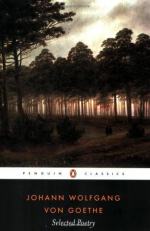
 Johann Wolfgang Von Goethe
 Johann Wolfgang Von Goethe - (1749 - 1832)
 Goethe, Johann Wolfgang Von (1749-1832)
 Johann Wolfgang von Goethe
 Johann Wolfgang von Goethe

