Hegel, G. W. F.
HEGEL, G. W. F. (1770–1831), was a German philosopher, the culminating figure in the philosophical movement known as German Idealism. Born in Stuttgart, Georg Wilhelm Friedrich ...
Read more
Hegel, Georg Wilhelm Friedrich
German philosopher Georg Wilhelm Friedrich Hegel (1770–1831), born in Stuttgart on August 27 and
educated at the University of Tübingen, gained intellectua...
Read more
Hegel, Georg Wilhelm Friedrich(1770–1831)
Georg Wilhelm Friedrich Hegel, the German idealist philosopher, was born at Stuttgart and entered the theological seminary at the University of T...
Read more
Hegel, Georg Wilhelm Friedrich [addendum]
Georg Wilhelm Friedrich Hegel changed his major philosophical views very little from the publication of his first major work, the Phenomenology of Spirit, in ...
Read more
The German philosopher and educator Georg Wilhelm Friedrich Hegel (1770-1831) took all of knowledge as his domain and made original contributions to the understanding of history, law, logic, art, reli...
Read more
Georg Wilhelm Friedrich Hegel was the last of the great German Idealist philosophers. He perfected the dialectical method, which, in his philosophy, is not only a way of thinking but also the process ...
Read more
The German philosopher and educator Georg Wilhelm Friedrich Hegel took all knowledge as his domain and made original contributions to the understanding of history, law, logic, art, religion, and philo...
Read more



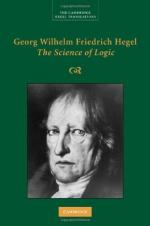
 Hegel, G. W. F.
 Hegel, Georg Wilhelm Friedrich
 Hegel, Georg Wilhelm Friedrich (1770-1831)
 Georg Wilhelm Friedrich Hegel
 Georg Wilhelm Friedrich Hegel
 Georg Wilhelm Friedrich Hegel
